Related: How to Clean a Natural Rubber Yoga Mat Without Ruining It
I have taught vinyasa in Portland for more than a decade, and most of the falls I have seen in class had nothing to do with balance. They happened because a mat quietly stopped gripping at minute 40 of a hot room, and the student trusted it anyway. So when I write about non slip yoga mats, I mean grip in the literal sense. It is a chemistry problem, not a texture problem, and the top layer is what decides whether you slide when you sweat.
Two disclosures first, because they matter. The links in this guide are affiliate links and I earn a commission if you buy through them. And every mat here has to pass one question: would I hand it to a student in my Thursday recovery class and feel fine about it afterward?
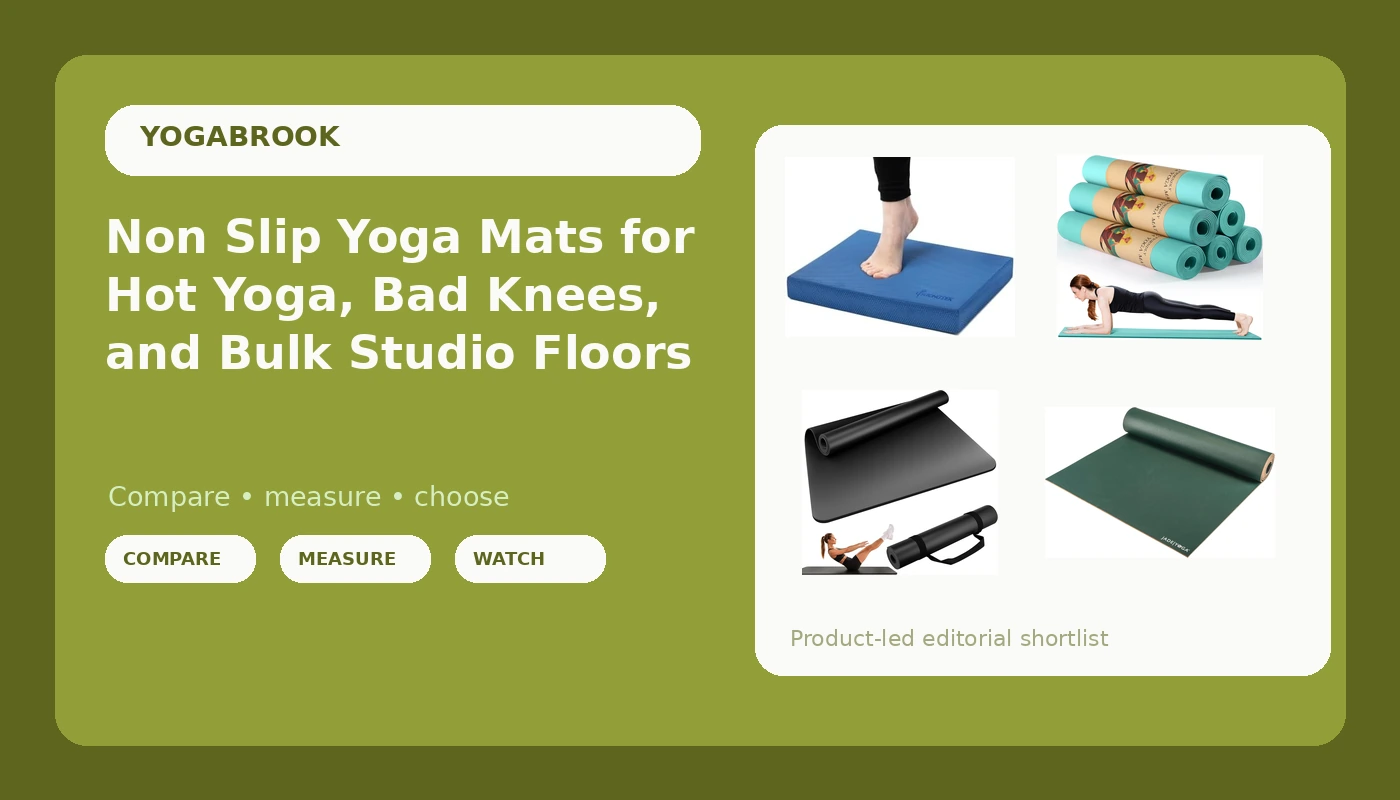
The four products cover four different jobs. One is a polyurethane-topped mat built for hot rooms. One is a natural rubber mat for people who want tree rubber under their palms. One is a six-pack for studios, schools, and rental shelves. And one is not a mat at all: a balance pad, which is the tool I reach for when knees and wrists need real cushion.
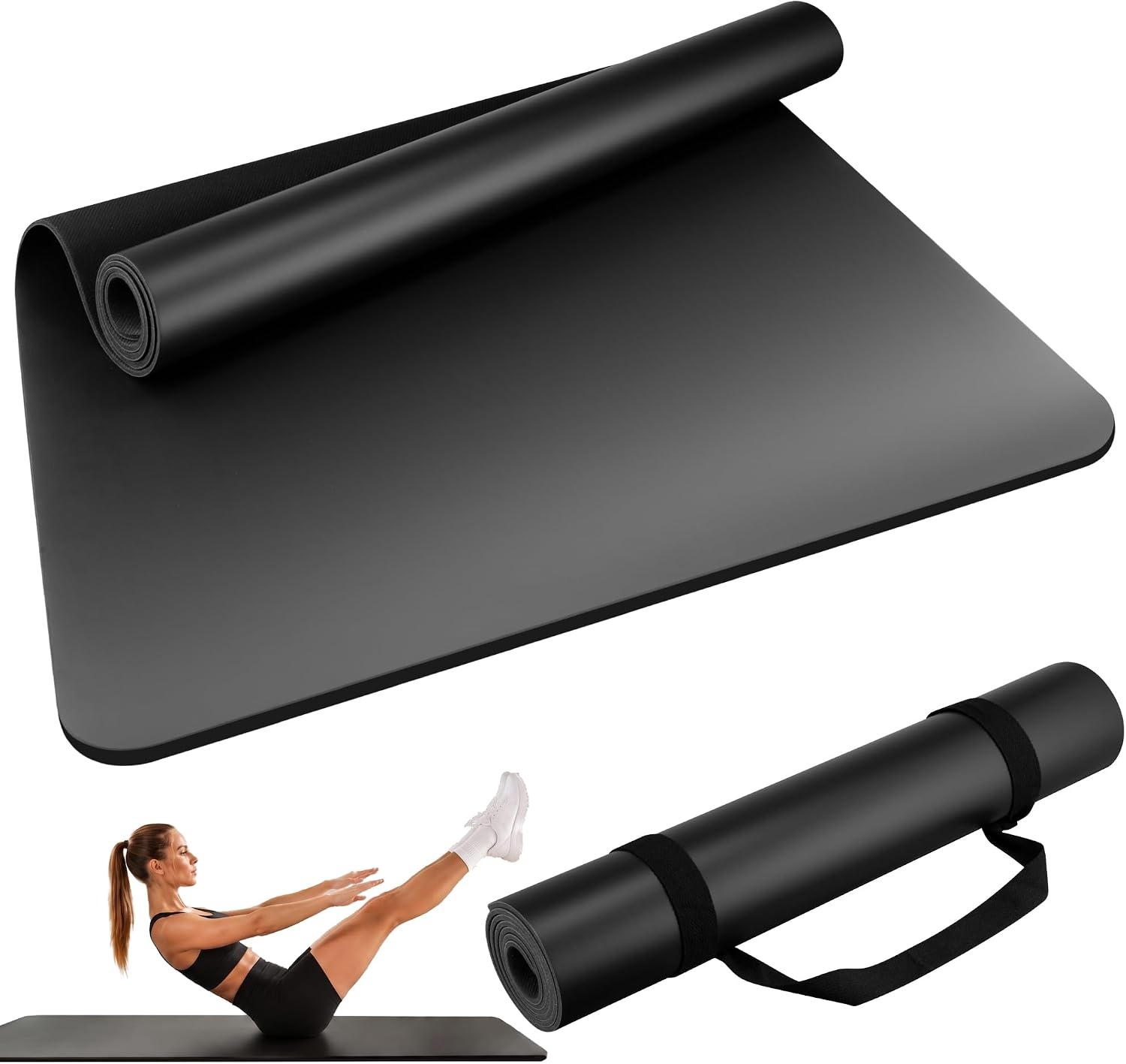
Best for Hot Yoga: Professional PU & Natural Rubber Yoga Mat
Polyurethane is the only top layer I trust when the room is 105 degrees. It grips harder wet than dry, which sounds like a small detail until you are 45 minutes into a hot class with sweat running down your forearms into your down dog. Most mats do the opposite. They feel tacky in the store and turn into a slip-and-slide the moment moisture shows up.
This mat pairs that polyurethane top with a natural rubber base, which is the combination I look for in a hot room. The PU handles the sweat. The rubber handles the floor, because a rubber backing sits on a studio's sprung or rubber surface with far more friction than a foam-backed mat does. The 5mm thickness is the sweet spot in my book: enough cushion for a knee on the floor, not so much that your standing balances start to wobble.
The size is the other reason it lands here. At 72 by 27 inches it is wider and longer than the standard 68 by 24, and if you are tall, that extra width is the difference between a hand landing on the mat and a hand landing on the floor. A strap is included, which matters more than people admit, because a grippy mat is one you will actually carry.
What to watch: polyurethane shows everything, and it does not love being left in a hot car. Roll it top side out, keep it out of direct sun, and wipe it down after class. Check current Amazon price.
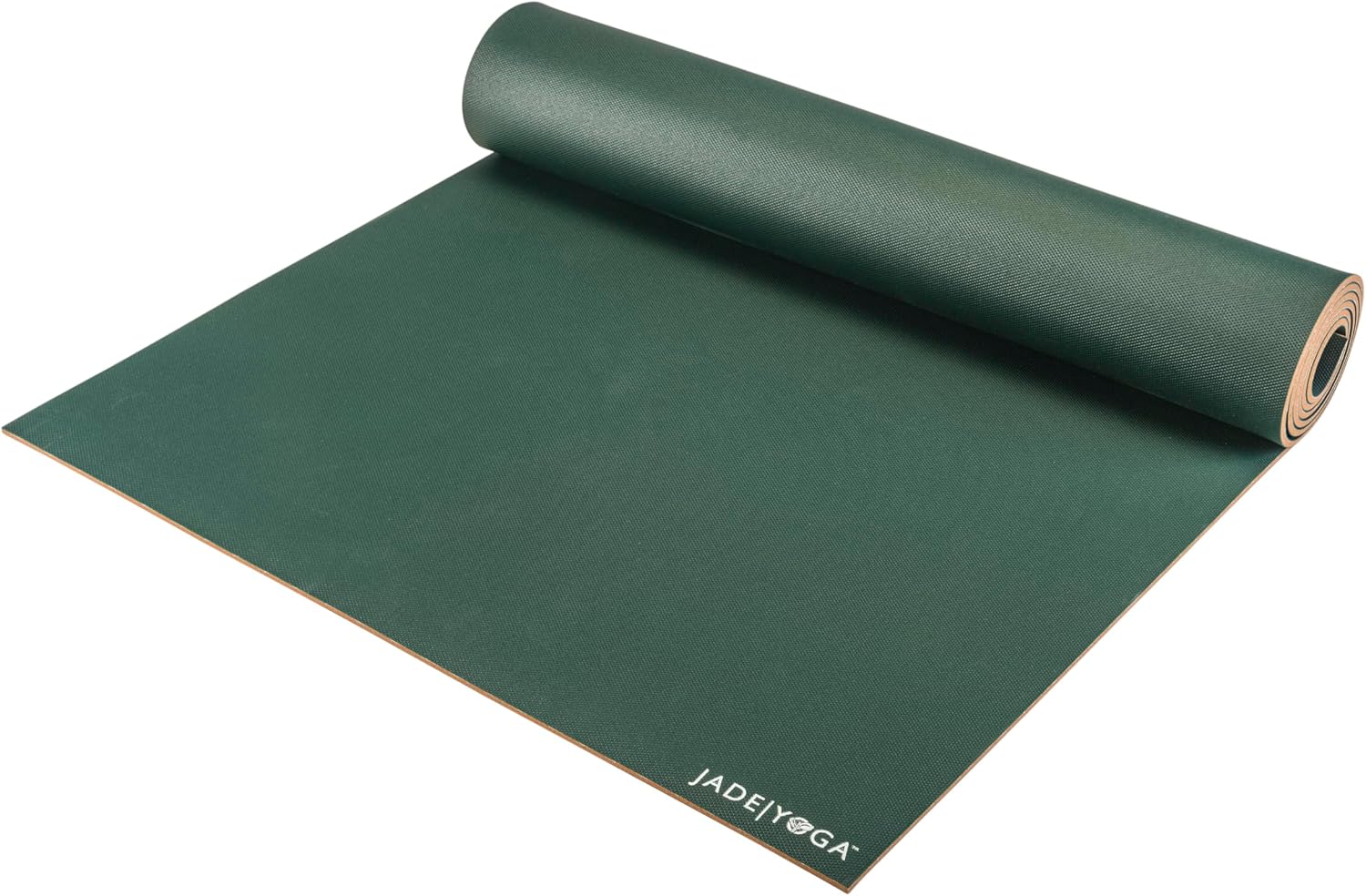
Best Natural Rubber Pick: JadeYoga Mushroom Yoga Mat
This one is built on natural rubber rather than PVC, and that single fact decides almost everything about how it behaves. Dry or barely damp, rubber gives the best grip in the category, better than PVC and better than most TPE blends. It also skips the break-in tax entirely. There is no twenty class period where you are fighting your own mat; it grips from the first session.
It is a thick mat, which makes it a natural fit for restorative classes, yin, and anyone whose knees file complaints during long holds. Cushion is not grip, though, and I will keep saying that. A thick mat is a comfort decision, not a safety decision. If you want a firm, thin surface for standing balances, the polyurethane mat above is the better tool.
The trade-off is sweat. Rubber is porous, and porous means it drinks. In a hot room a rubber mat will hold moisture, and if you roll it up wet and leave it in the car, it will start to smell like a wet dog by month eight. That is the material, not a defect, and it is manageable: wipe it after every class, dry it flat, and never store it rolled and damp. A rubber mat that is cleaned properly lasts years.
If you want a mat that is genuinely rubber and not a petroleum product with a leaf icon printed on the box, this is the one in this guide. Check current Amazon price.
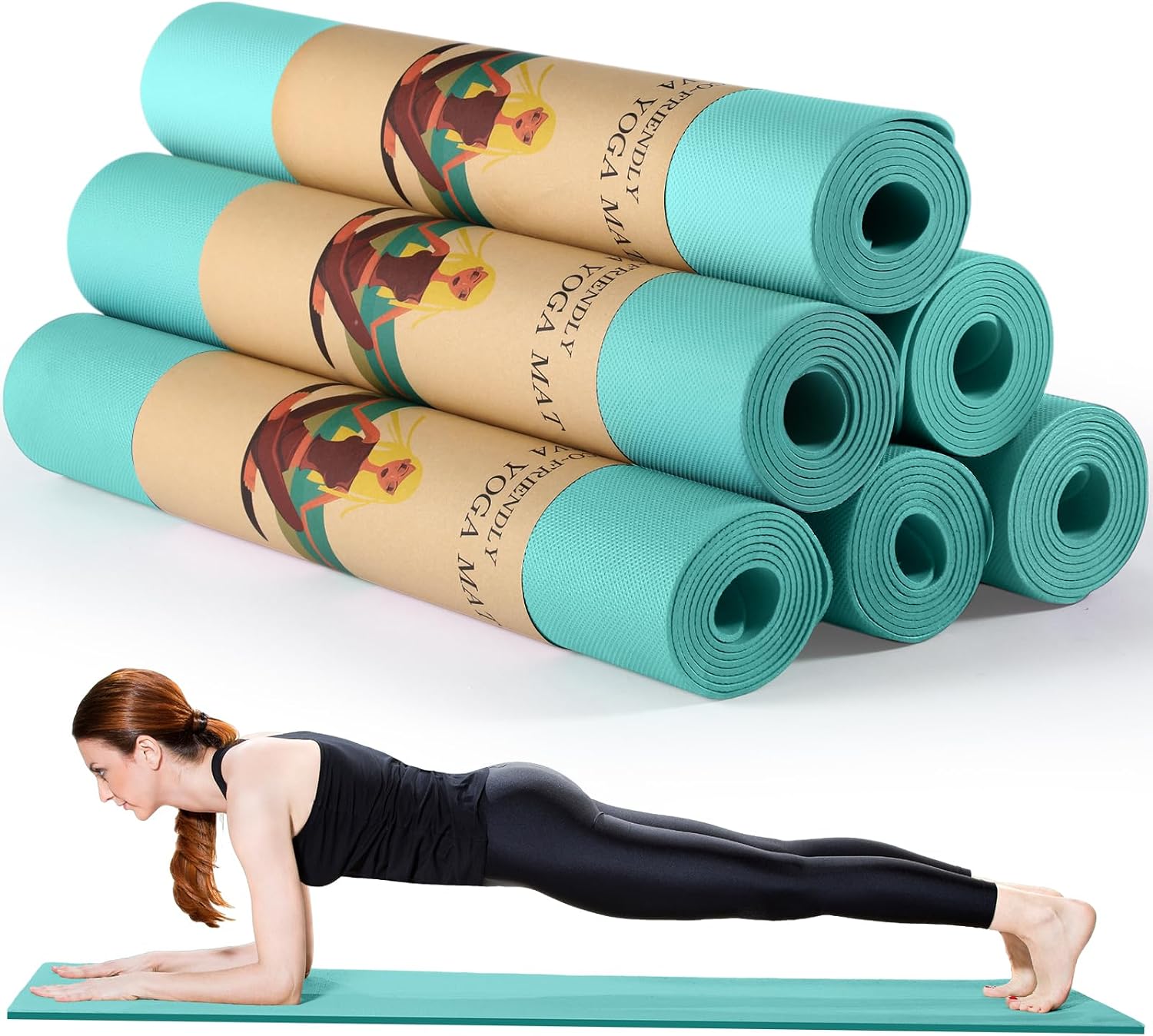
Best for Studios and Rental Shelves: Timgle 6 Pack Yoga Mats
Not every mat needs to be a hundred dollar object. If you teach, run a studio, or host a community class where people show up without gear, the math changes completely. You need six mats that are safe, wipeable, and cheap enough that losing one does not hurt.
This is a six-pack of 4mm mats, each 68 by 24 inches, which is the standard studio footprint. Four millimeters is thin, and that is the honest read. It is enough for a floor-based class, a restorative sequence, or a beginner who is not spending much time on their knees. It is not enough to make you forget a hardwood floor in a long pigeon pose.
What the six-pack buys you is a rental shelf that works: a non slip surface on a dry studio floor, a top that wipes clean between students, and six mats for less than the cost of one premium mat. The mats I hand out in class take the abuse, and I would much rather see a studio stock these than tell students to bring a towel and hope. Check current Amazon price.
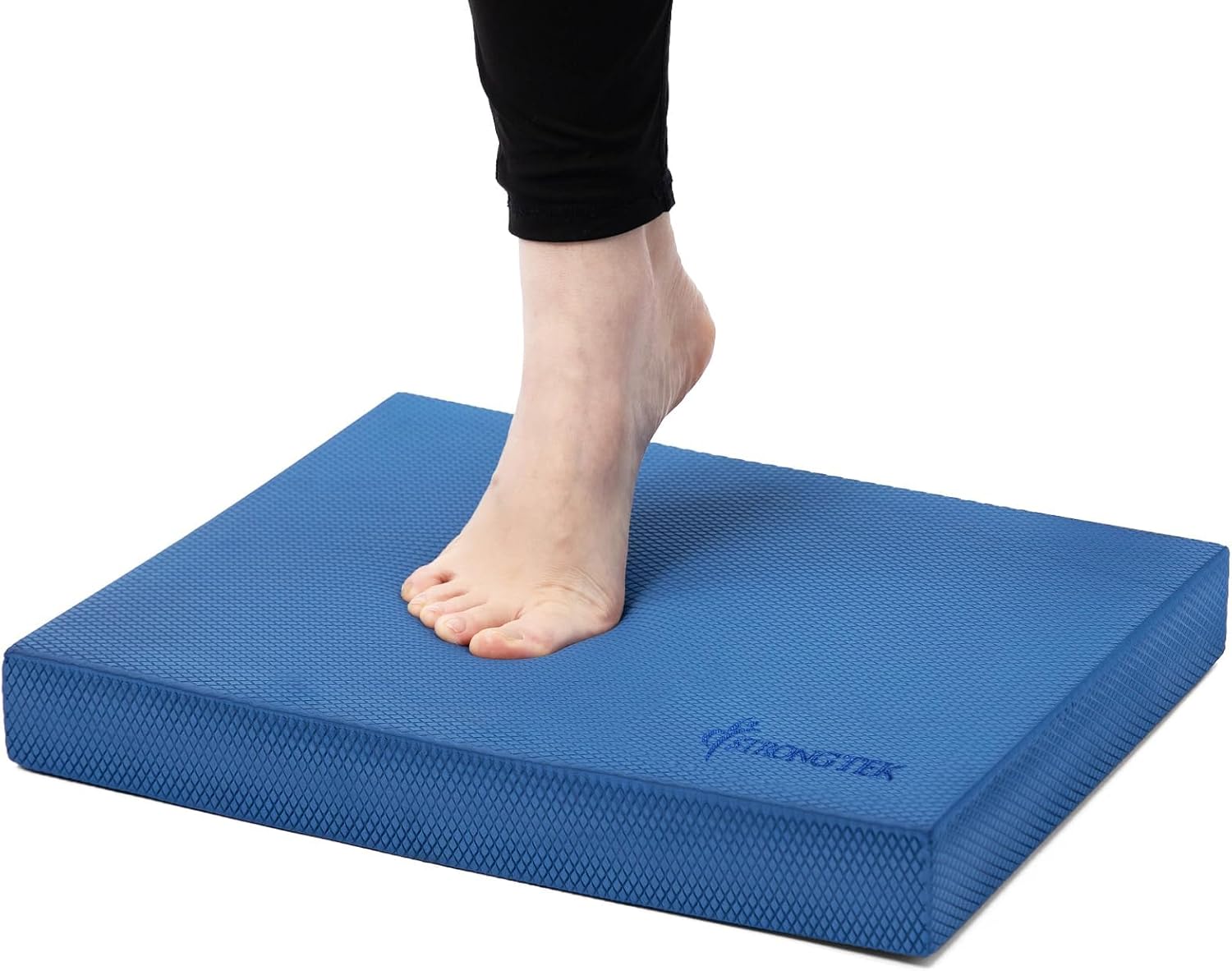
Best for Knees and Balance Drills: StrongTek Foam Balance Pad
This is not a yoga mat, and I want that on the record before anyone buys it expecting to flow on it. The StrongTek pad is a high-density TPE foam pad, roughly 15.8 by 13 inches and 2 inches thick, and it does two jobs better than any mat can.
Job one is cushion. Two inches of dense foam under a kneeling knee or a wrist in a long, low lunge is a completely different experience from 5mm of mat on a hard floor. For students with knee and hip histories, this is the most useful inexpensive piece of equipment in the room, and it is the thing I hand out most often in my recovery class.
Job two is instability. Standing on a pad that compresses under your foot forces your ankle and hip stabilizers to work, which is why physical therapists keep these in their offices. I use it for single-leg balance drills and ankle work, not for warrior two.
What it is not: a mat thickener. Do not stack it under a thin mat to fake cushion. You will build a wobbly surface that is worse than the floor. Use it beside your mat, for the parts of a practice that need it. Check current Amazon price.
How I tested
I have tested mats the same way since 2022, when a student slipped on a slick mat in my hot class and sprained her wrist. That is the origin of this whole project, and it is why the process is the part I refuse to shorten.
Every mat gets measured before it gets used. I check thickness at six points with calipers, because the number on the box is a marketing number and the number at the thinnest edge is the real one. A mat advertised at 6mm that reads 4.9mm at the corner has what I call a caliper gap, and anything over a millimeter tells you something about how the brand treats its own spec sheet.
Then the angle test. I set a weighted brick on an inclined board, raise the board until the brick slides, and record the angle. Then I wet the surface and do it again. Dry grip is easy and every mat has it. Wet grip is the number that decides a hot class, and it is the number almost nobody publishes.
Then the class log. Every class gets a row: how grip holds at minute 40, whether the corners curl, how the mat smells after a month, and how it feels under my palms in down dog. Sink factor is real. A millimeter of compression under your hands is fine. Six millimeters of squish wrecks your wrists over a long flow.
Analysis: what the materials actually do
There are four top layers in the yoga mat world, and they behave nothing alike.
Polyurethane is the wet-grip champion. It is also the least durable surface, prone to scuffing, and it needs more care than anything else here. If you sweat heavily in a hot room, it is worth the babysitting.
Natural rubber is the best dry grip and the most honest material. It never needs a break-in period, it comes from trees rather than petroleum, and it drinks sweat. Rubber rewards people who clean their mats and punishes people who do not.
PVC is the cheap default. It is durable, it wipes clean, and it is the least eco-friendly option on the shelf no matter what the leaf icon on the box says. A PVC mat that lasts five years beats a "biodegradable" mat you replace every two, and I will defend that position all day.
TPE and foam are the cushion materials. Great for kneeling, terrible for standing balance, because every millimeter of soft foam makes your warrior two wobblier. This is where my dancer's knees and my flooring brain argue with each other, and the balance pad is the compromise I landed on.
One more thing that separates the products here: mat drag. Corner curl and edge lift are what make a mat dangerous on a smooth studio floor, because a lifted corner catches a heel. A mat that lies flat without tape is worth more than one that grips well and rolls up at the edges.
The yoga mat reference table
This is the comparison I keep for my own classes. Sizes and thicknesses are the manufacturer's stated specs. Everything else is what the material means in practice.
| Product | Top layer | Size and thickness | Best for | Notes | Price |
|---|---|---|---|---|---|
 Visit on Amazon → Visit on Amazon →Professional PU & Natural Rubber Yoga Mat |
Polyurethane over natural rubber | 5 mm, 72 x 27 in | Hot yoga, Pilates, HIIT | Grips harder when wet; strap included | $39.99 |
 Visit on Amazon → Visit on Amazon →JadeYoga Mushroom Yoga Mat |
Natural rubber | Thick, non slip | Restorative, yin, sensitive knees | Best dry grip; needs drying after class | $119.95 |
 Visit on Amazon → Visit on Amazon →Timgle 6 Pack Yoga Mats Bulk |
Foam, non slip | 4 mm, 68 x 24 in | Studios, rentals, community classes | Six mats; thin under knees | $67.99 |
 Visit on Amazon → Visit on Amazon →StrongTek Foam Balance Pad |
High-density TPE foam | 2 in, 15.8 x 13 in | Knees, wrists, balance drills | Not a mat; use beside your mat | $23.74 |
Should you buy the Professional PU and Natural Rubber Yoga Mat?
If you sweat hard and you practice in a hot room, yes. The wet grip is the reason to buy it, and the 72 by 27 footprint is the reason tall people keep it. It asks for more care than a PVC mat, and it will show wear sooner, but a mat that keeps your hands planted at minute 45 is doing the job a mat exists to do.
Should you buy the JadeYoga Mushroom Yoga Mat?
Yes, if your practice is mostly dry or lightly damp, and if you want rubber rather than petroleum under your hands. It grips from the first class with no break-in period and it cushions long holds. Just commit to wiping it down and drying it flat, because a damp rubber mat rolled into a bag is a smell you will not forget.
Should you buy the Timgle six pack?
Buy it if you are stocking a room, not if you are stocking your own practice. Six mats for a studio shelf, a school program, or a class where people arrive empty handed is a genuinely good deal. Just be honest with yourself about 4mm: it is a floor class mat, not a hot yoga mat.
Should you buy the StrongTek balance pad?
Yes, and especially if kneeling poses make you wince. It is the cheapest fix in this guide for unhappy knees and wrists, and it doubles as a balance and ankle tool. It is not a mat, so do not buy it as one. Buy it as the thing you keep beside your mat.