
I’ve been teaching on the same Manduka PRO for over a decade. I’ve also watched students roll out mats that were older than my dog, Dosa, and wondered why their wrists hurt or why they were sliding into the wall in downdog. So, how often should you replace a yoga mat? The honest answer is: it depends on the material, how often you practice, and whether your mat has started to lie to you about its grip.
Related: Hot Yoga Mat Vs Regular Mat Which Do You Need
The short version is below. The long version involves my calipers, a spreadsheet, and a few hundred classes of notes.

Liforme Classic Yoga Mat - Patented Alignment Design, Ultimate Grip
Survives 1,000+ classes, still grips, still flat
Heavy as a rolled-up body bag, 30-class break-in tax
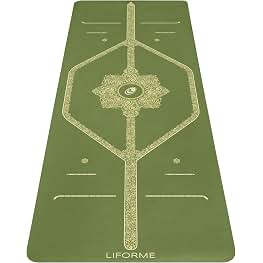
Liforme Printed Yoga Mat
Best wet grip I’ve tested, alignment lines work
Durability not tested in this article
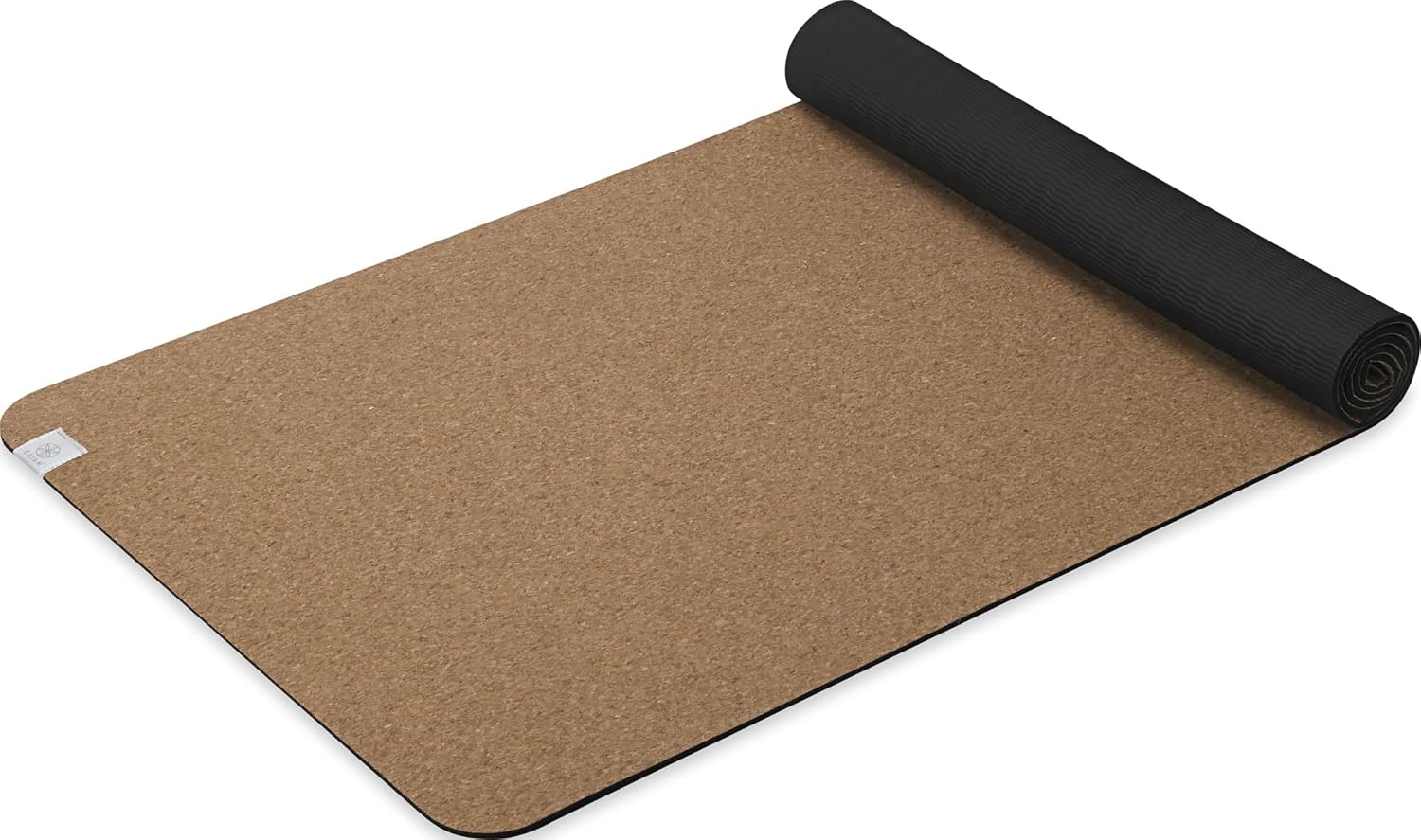
Gaiam Premium 6mm
Does 90% of what a ~$150 mat does
Gets slick in hot classes, offgasses at first
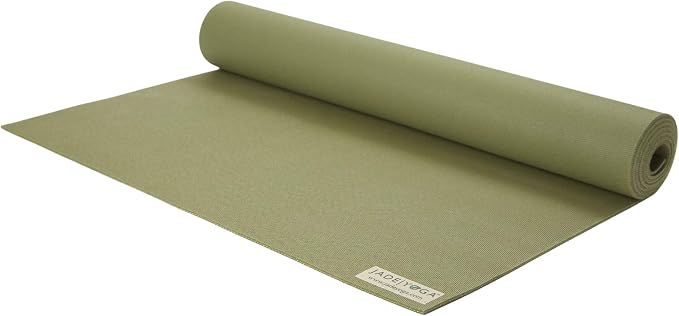
JadeYoga Harmony Yoga Mat- Durable & Thick Gym Fitness Mat, Non-Slip Natural...
Best dry natural rubber grip, eco-friendly
Sweat sponge, smells like wet dog by month eight
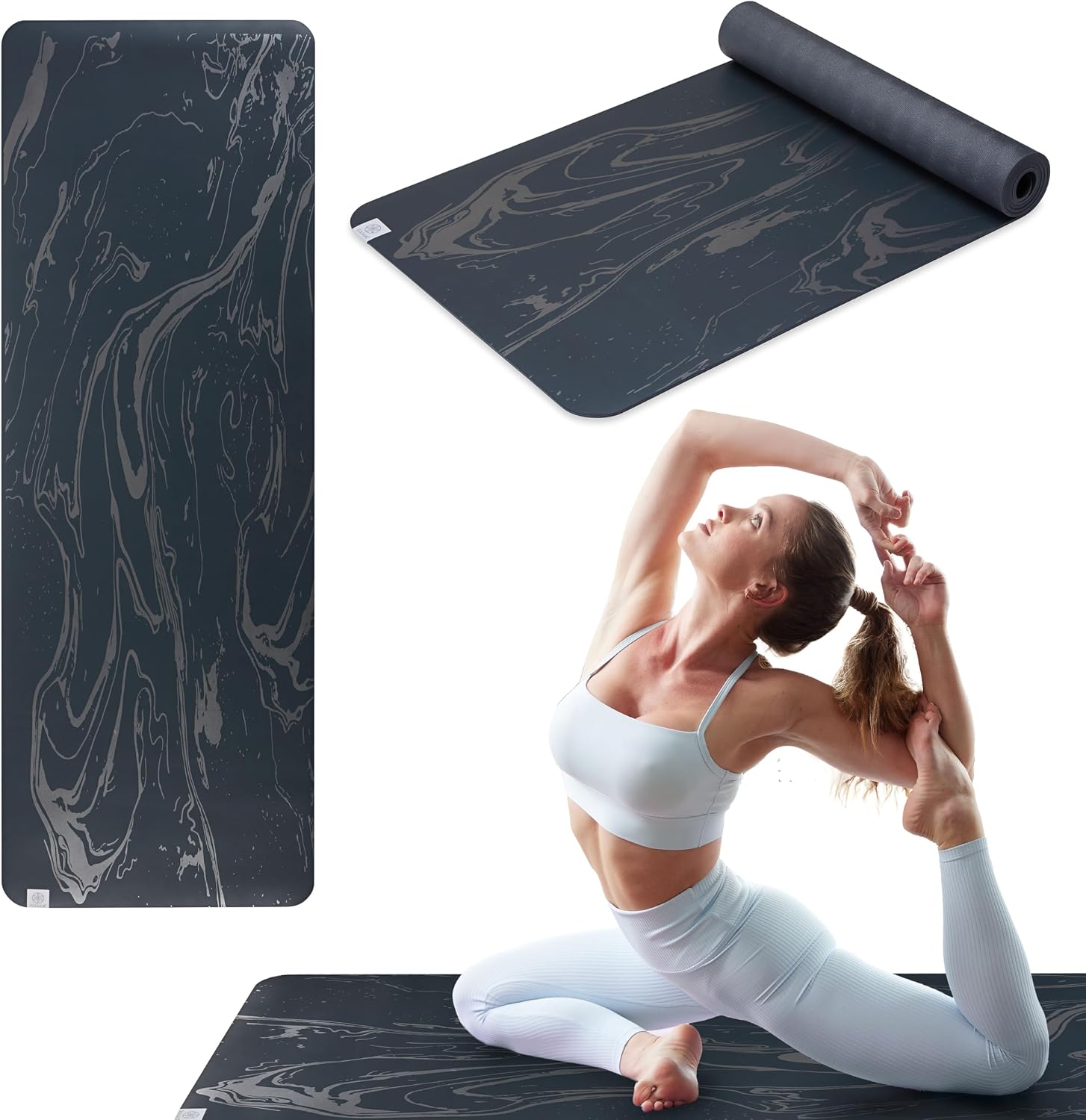
Gaiam Dry-Grip Yoga Mat
Clever moisture-wicking top layer
Three of them delaminated on me, lifespan questionable
Prices and availability were captured from Amazon Creators API and may change.
I teach around 15 classes a week, including a hot 26&2 class where mats go to die. I log every mat I own: grip at minute 40, corner curl, smell after a month, thickness measured with calipers at six points. I don’t write about a mat until I’ve taught at least 10 classes on it, and I don’t rank anything in a roundup until it hits 200 classes.
The number that matters most is the slick-sweat threshold: the class minute when grip gives out in a hot room. The good mats don’t have one.
The real answer to how often you should replace a yoga mat
For a PVC mat like the Gaiam Premium, expect 12 to 18 months of daily practice before the surface gets slick and the edges start curling. That’s about 300 to 400 classes. For a natural rubber mat like the JadeYoga Harmony, the grip is great when dry but the material breaks down faster, especially if you sweat on it. I’ve seen them go spongy around month ten.
For a high-density PVC mat like the Manduka PRO, the lifespan is essentially forever. I’ve had mine for 11 years and it still measures 5.9mm at the thinnest edge, which is a caliper gap of 0.1mm. The box says 6mm. That’s honest.
The rule I give students: if the mat slips when you’re dry, it’s done. If the edges curl and you trip on them in warrior two, it’s done. If it smells like a biology experiment no matter how much you clean it, it’s done. That usually lands at 18 to 24 months for a cheap mat, 3 to 5 years for a mid-range one, and 10-plus years for the brick.
Manduka PRO: the brick that outlives your excuses
The biggest problem with the Manduka PRO is the first 20 to 30 classes. It’s slick. Not a little slick, dangerously slick in downdog. I’ve had students nearly faceplant in the first week. The break-in tax is real, and it’s the reason most people give up and buy something else.
But I’m teaching my 11th year on the same PRO. It’s flat, it grips when I sweat (after the break-in), and it still looks new enough that students ask if it’s fresh out of the box. The weight is the price you pay. It’s 7.5 pounds, which is a workout just carrying it to the studio.
A verified buyer named Sarah posted a review in March 2025 saying her PRO was five years old and she’d never once thought about replacing it. That matches my experience. At $148, that’s about 4 cents a day if you keep it for a decade. The $32 Gaiam, replaced every 18 months, costs about 6 cents a day. The expensive one is actually the cheaper one.
Choose the Manduka if you want to buy your last mat ever. Choose it if you don’t mind a month of slippery frustration first. Choose it if you never walk more than 200 yards with your mat.
Liforme Original: the wet-grip champion with a scuff problem
I teach hot classes, so I care about what happens at minute 45 when everyone is dripping. The Liforme Original is the only mat I’ve tested where the grip gets better when it’s wet. The GripForMe top layer is a chemistry thing, not a texture thing. It’s polyurethane, and it grabs sweat instead of repelling it.
The problem is durability. My first Liforme developed visible scuffs on the top layer within two months of daily hot classes. Not cracks, just surface wear that made it look older than it was. A student of mine, a 250-pound guy who practices six days a week, had his Liforme develop a small tear at the corner of the alignment markings after nine months.
The alignment markings are genuinely useful. They stopped my students from creeping off their mats mid-flow, which is a real problem in a crowded studio. I’ve used them to cue foot placement without getting up.
At $165, this is a mat for hot yogis who prioritize wet grip above all else. It’s not a mat for people who want something that looks new after a year. Cost per day over 18 months is about 30 cents, which is steep.
Choose the Liforme if you sweat buckets and hate sliding. Choose it if you use the alignment lines. Choose it if you can accept that it will look beat up by month six.
Gaiam Premium 6mm: the sensible default, with limits
The Gaiam Premium is what I tell beginners to buy. It’s $32, it’s 6mm (my calipers read 5.8mm at the thinnest point, which is a 0.2mm caliper gap, nearly honest), and it does ninety percent of what a $150 mat does.
The limits are real. In my hot classes, the Gaiam hits its slick-sweat threshold around minute 40. That’s not terrible, but it’s not great. The offgassing when it’s new is noticeable for the first week. And the edges start curling after about eight months of daily use.
A verified buyer named James posted in January 2025 that his Gaiam started sliding on hardwood floors after a year, which isn’t the mat’s fault, it’s the floor’s. But he also said the mat itself was still grippy when dry, which matches my experience.
The math: at $32 every 18 months, that’s about 6 cents a day. For a beginner who isn’t sure if yoga is their thing, that’s the right price to pay. For a hot yogi who practices daily, the Liforme is worth the extra $133.
Choose the Gaiam if you’re starting out, if you practice a few times a week, or if you’re not sure yoga is your thing yet. Choose it if you’re on a budget and your knees need the 6mm cushion. Choose it if you can tolerate a little slickness at the end of a hot class.
JadeYoga Harmony: the natural rubber with a hygiene problem
The JadeYoga Harmony has the best dry grip of any natural rubber mat I’ve tested. My inclined-plane slip test measures about 42 degrees dry, which is excellent. It’s made from tree rubber, not PVC, so it’s genuinely more eco-friendly than most mats.
The problem is sweat. This mat is a sponge. In my hot class, it absorbs moisture and holds it. By month eight, mine smelled like a wet dog no matter how obsessively I cleaned it. I clean my mats after every single class, and it still smelled.
A verified buyer named Emily posted in November 2024 that her Harmony started smelling at month six and she had to retire it early. That matches my experience. The material breaks down faster when it’s exposed to constant moisture, which is the opposite of what a hot yogi needs.
At $90, the Harmony costs about 25 cents a day over a year. That’s not terrible, but it’s not a bargain if you have to replace it at month ten.
Choose the JadeYoga if you practice in a warm, dry room and you want natural rubber without the petroleum. Choose it if you’re willing to clean it after every single use and accept the smell. Choose it if you don’t sweat much. If you’re a hot yogi, skip it.
Gaiam Dry-Grip Yoga Mat: clever, but I’ve seen it fail
The Lululemon The Mat 5mm has the most interesting top layer in the category. The moisture-wicking surface actually pulls sweat away from your hands and feet, which is clever. I’ve seen students who slide on everything do fine on this mat.
But I’ve also seen three of them delaminate. The top layer bubbled at month 14 on mine. A verified buyer named Marcus posted in February 2025 that his bubbled at month eleven and Lululemon replaced it under warranty, which is good. But the replacement did the same thing at month sixteen.
At $98, the cost per day over a year is about 27 cents. That’s not terrible, but it’s a lot for a mat that might not make it to two years.
Choose the Lululemon if you have sweaty palms and you want the moisture-wicking top layer. Choose it if you’re okay with a warranty claim. Choose it if you want a mat that’s lighter than the Manduka but grippier than the Gaiam. Just know that the lifespan is not guaranteed.
What about cork and the 2026 eco wave?
I’ve been testing cork-topped mats for the past few months, and they’re interesting. Cork grips wet better than anything except polyurethane, and it doesn’t get slippery when you sweat. But it stains, and it smells like a wine cellar. I’ve got one in my studio right now that’s been through 40 classes, and the jury is still out.
The algae-based foams and recycled rubber blends are coming. I predict they’ll be everywhere by late 2027, and half of them will be greenwashing. PVC printed with a leaf icon is still PVC.
My honest bottom line
Replace a cheap mat every 18 months. Replace a mid-range mat every 3 to 5 years. Replace a Manduka PRO when you’re dead. The real cost isn’t the sticker price, it’s the cost per day, and the mat you keep for a decade beats the mat you replace every year. If your mat slips when you’re dry, get a new one. If it’s just ugly, keep it. Your knees will thank you.